 Mini Shell
| Direktori : /scripts/ |
| Current File : //scripts/updatenow |
#!/usr/local/cpanel/3rdparty/bin/perl

# cpanel - scripts/updatenow                       Copyright 2022 cPanel, L.L.C.
#                                                           All rights reserved.
# copyright@cpanel.net                                         http://cpanel.net
# This code is subject to the cPanel license. Unauthorized copying is prohibited

#
# This is the authorative code used to sync /usr/local/cpanel
# Accept no imitators.
#

=head1 NAME

updatenow - updates /usr/local/cpanel from update servers

=head1 USAGE

    # Called from upcp like this:
    # --force tells updatenow to sync even if the version has not changed (similar to --sync). This setting will also bypass cron detection.
    updatenow --upcp

    # upcp will call this script like this if upcp is called with --force
    updatenow --upcp --force

    # If files which this script manages somehow get deleted, this will re-sync them but not upgrade.
    # This is used by other cpanel scripts as a safety measure.
    updatenow.static --sync

    # Used by cpanel installer prior to vps optimization
    updatenow --no-check-perl

=head1 DESCRIPTION

NOTE: Under most circumstances, you should never call this script directly. B</usr/local/cpanel/scripts/upcp>, called with an optional [--force]
should be all you need. --sync is only intended to be called by other cpanel scripts when it appears that cpanel managed files
have been deleted.

The normal usage of this script is to update cpanel to the latest version of your TIER I<(see /etc/cpupdate.conf)>.
By default, no update is done by default if you are already on that version. The UPDATES setting in cpupdate.conf
is also honored when the environment variable CPANEL_IS_CRON is set (usually from upcp).

If an HTTPUPDATE= setting is present in /etc/cpsources.conf with a hostname, this will be the preferred source to sync from.

=cut

use strict;
use warnings;

BEGIN {
    # the q{} on the line below was done to prevent perlpkg from stripping the @INC statement from static.
    @INC = grep { index( $_, '/usr/local/cpanel' ) == 0 } @INC;    ## no critic(RequireLocalizedPunctuationVars)

    # if we are being called with a compile check flag ( perl -c ), skip the begin block
    # so we don't actually call upcp.static when just checking syntax and such is OK
    return if $^C;

    # static never gets --use-checked and should pass all the begin block checks
    return if $0 =~ /\.static$/;

    # let the '--use-check' instance compiled
    if ( grep { $_ eq '--use-check' } @ARGV ) {
        no warnings;    ## no critic qw(ProhibitNoWarnings)

        # dynamic definition of the INIT block
        eval "INIT { exit(0); }";    ## no critic qw(BuiltinFunctions::ProhibitStringyEval)
        return;
    }

    system("$0 --use-check >/dev/null 2>&1");

    # compilation is ok with '--use-check', we will continue the non static version
    return if $? == 0;

    my $static = $0 . ".static";
    if ( -f $static ) {
        print STDERR "We determined that $0 had compilation issues..\n";
        print STDERR "Trying to exec $static " . join( ' ', @ARGV ) . "\n";
        exec( $^X, $static, @ARGV );
    }
}

# Should be just after CleanINC to be sure Cpanel::Exception is not loaded earlier
use Cpanel::Exception::CORE      ();    # PPI USE OK -- load core exception modules
use Cpanel::Exception::UpdateNow ();    # PPI USE OK -- load all exceptions for static script

use Cpanel::Update::Now;

use Cpanel::CPAN::Locales::DB::Territory::en ();    # PPI USE OK -- preload for perlstatic
use Cpanel::CPAN::Locales::DB::Language::en  ();    # PPI USE OK -- preload for perlstatic
use Cpanel::Crypt::GPG::VendorKeys::Verify   ();    # PPI USE OK -- do not compile into Cpanel::HttpRequest, but require it here for updatenow.static
use Cpanel::HttpRequest                      ();    # PPI USE OK -- do not compile into Cpanel::RPM::Versions::File, but require it here for updatenow.static
use Cpanel::Sync::Common                     ();    # PPI USE OK -- do not remove, required for Cpanel::HttpRequest on new installs
use Cpanel::Sys::Hardware::Memory::Linux     ();    # PPI USE OK -- included for fresh installs so it ends up in .static (see case 184689)
use Cpanel::Sys::Hardware::Memory::Vzzo      ();    # PPI USE OK -- included for fresh installs so it ends up in .static (see case 184689)
use Cpanel::iContact::Provider::Email        ();    # PPI USE OK -- CPANEL-25967: ensure we can notify about blockers during install
use Cpanel::Autodie::UpdateNow               ();    # PPI USE OK -- load all autodie modules for static script
use Cpanel::HiRes ( preload => 'perl' );

BEGIN {
    if ( grep { $_ eq '--INC' } @ARGV ) {
        print join "\n", sort keys %INC;
        print "\n";

        exit 0;
    }
}

my $options = Cpanel::Update::Now::parse_argv(@ARGV);

# Man option is outside C:U:N
if ( $options->{'man'} ) {
    exec( 'perldoc', $0 );
    exit;
}

# New with options from parse_argv
my $update_now = Cpanel::Update::Now->new($options);

# Eval and call terminate so testing can happen outside this script.
eval { $update_now->run(); };

# $update_now->run() will always throw. Now have the object shut down this program based on the throw.
$update_now->terminate($@);

print "Should never get here\n";
exit 1;


ParrotFish Japanese Fusion es el lugar donde México le dio un nuevo sabor al sushi, y seguro se convertirá en tu favorito si buscas una cocina audaz y a la vanguardia. Sumérgete en sabores frescos y deliciosos dentro de un espacio moderno, rodeado por los paisajes tropicales de Punta de Mita.
Aquí cada rollo, nigiri y sashimi cuenta una historia y te transporte a la Tierra del Sol Naciente.

ParrotFish fue el primer restaurante de sushi en Punta de Mita y sigue siendo uno de los favoritos tanto de la comunidad local como de viajeros de todo el mundo. Nos encontrarás dentro de Armony Marival Resort & Spa Punta de Mita.
Carretera a Punta de Mita km 8.3, Playa Destiladeras, Bahía de Banderas, Nayarit C.P. 63734, México
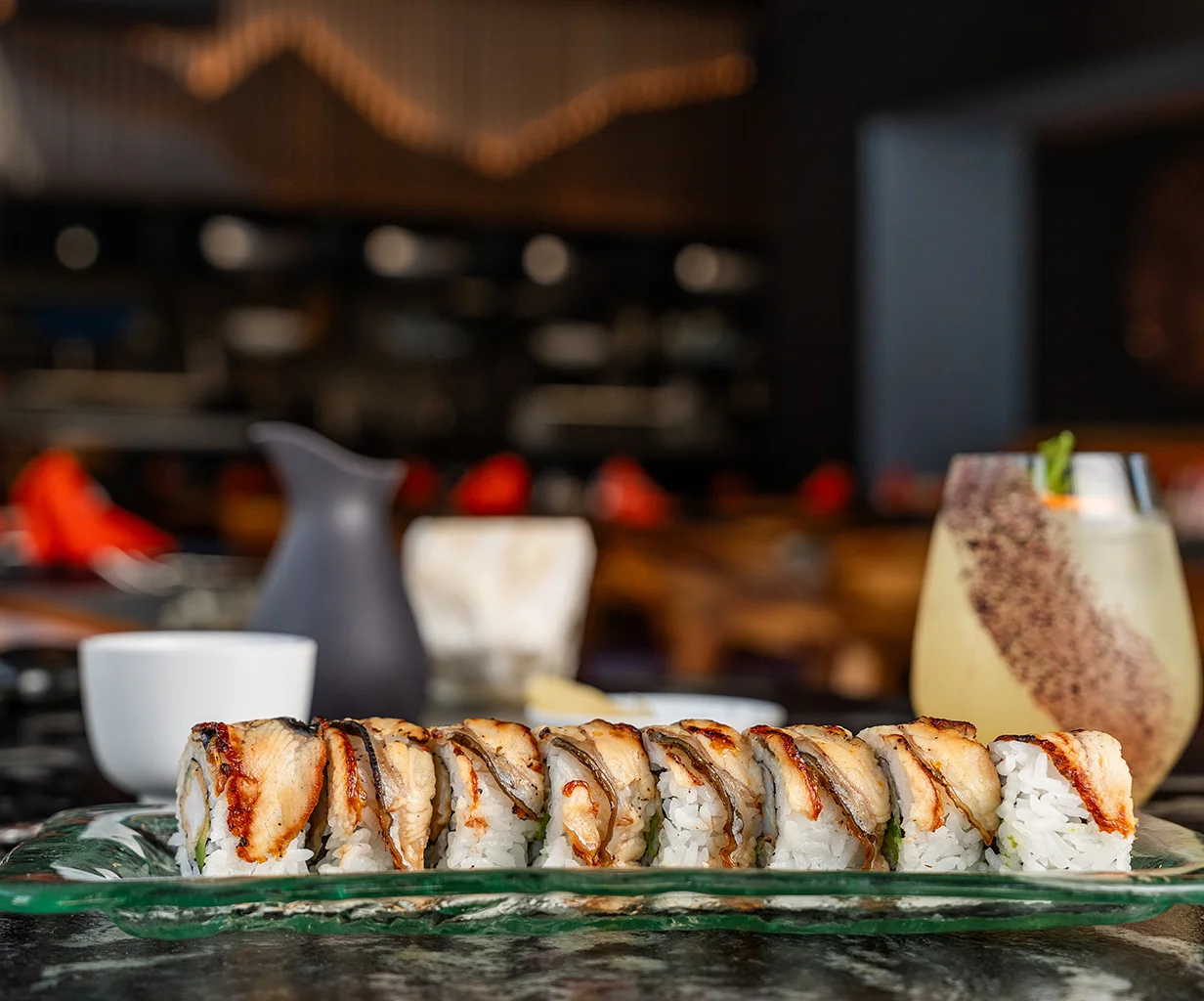
La decoración, inspirada en la belleza natural del Pacífico, junto con platillos llenos de color que evocan el Japón ancestral, dan vida a un espacio donde las culturas japonesa y mexicana no solo se encuentran, sino que entrelazan sus manos en un baile de sabores, memorias y tradición.
Explora nuestra galería y enamórate de la esencia única de ParrotFish Japanese Fusion.
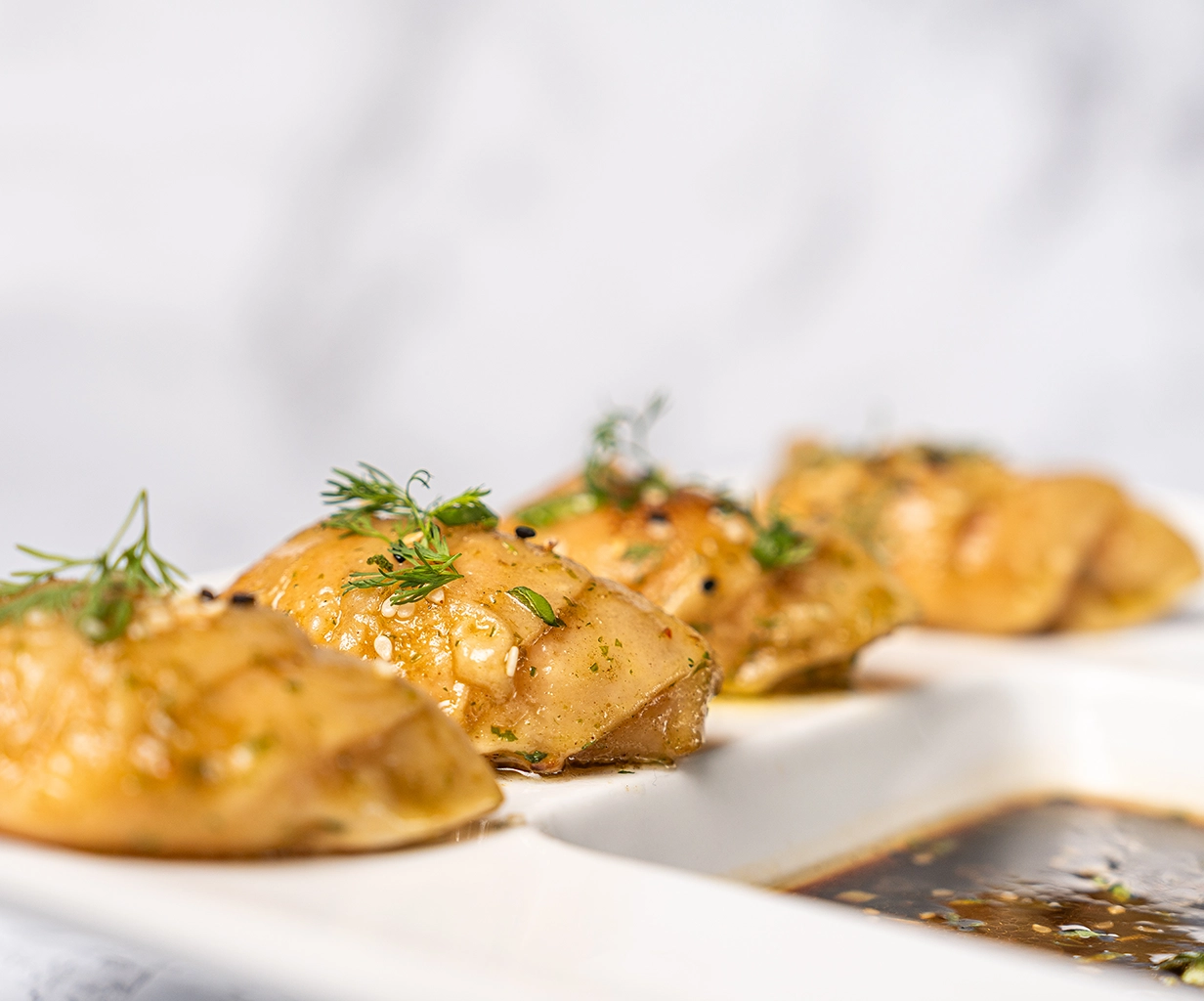
Explora nuestro menú
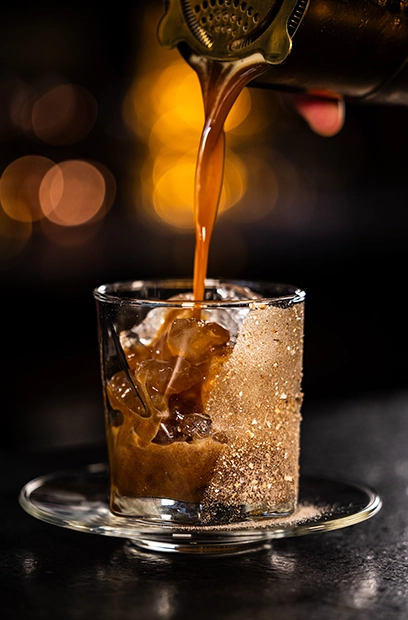


En ParrotFish, quien guía el filo es el Chef Ejecutivo Benito Hernandez, quien fusiona elegancia y creatividad, evocando el espíritu de tierras lejanas. En la barra, Donat prepara cocteles que se convierten en un ritual de sabor. Juntos, crean una experiencia que rinde homenaje al arte de la cultura japonesa: refinada e inolvidable.
Descubre más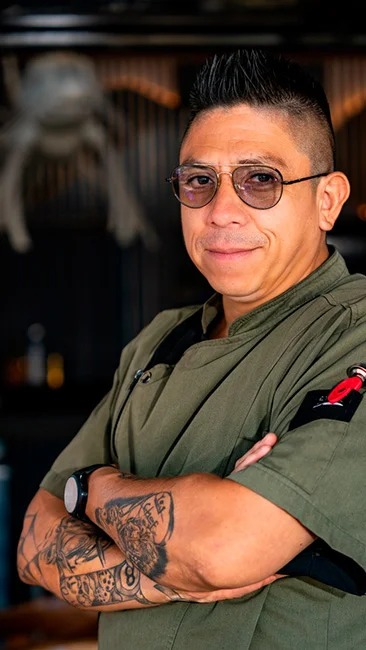

Nueva ubicación dentro de Armony Marival Resort & Spa Punta de Mita

 BLOG
 ENGLISH