 Mini Shell
| Direktori : /scripts/ |
| Current File : //scripts/rdate |
#!/usr/local/cpanel/3rdparty/bin/perl

# cpanel - scripts/rdate                           Copyright 2022 cPanel, L.L.C.
#                                                           All rights reserved.
# copyright@cpanel.net                                         http://cpanel.net
# This code is subject to the cPanel license. Unauthorized copying is prohibited

package rdate;

use cPstrict;

use Cpanel::Unix::PID::Tiny ();
use Cpanel::SafeRun::Simple ();
use Getopt::Long            ();
use Cpanel::OS              ();
use Cpanel::OSSys::Env      ();
use Cpanel::Binaries        ();

use Socket;

my $timeout = 10;

exit( _run_alarmed( $timeout, @ARGV ) // 0 ) unless caller;

sub run (@args) {

    my $print_time;    # used to map usage to rdate's -p option
    my $help;

    Getopt::Long::GetOptionsFromArray(
        \@args,
        '-p|print' => \$print_time,
        '-h|help'  => \$help,
    ) or return usage(1);

    return usage(0) if $help;

    my $envtype = Cpanel::OSSys::Env::get_envtype();

    # Case 48348 -- Virtual environments cannot set the system time so do nothing.
    if ( $envtype =~ qr{^(?:virtuozzo|cpanel-vserver|vzcontainer)$} ) {
        say "Container environment detected - rdate skipped";
        return;
    }

    my $pid = 0;

    my $check_ntpd_pid_method = Cpanel::OS::check_ntpd_pid_method();

    if ( $check_ntpd_pid_method eq 'systemd_ntpd' ) {
        $pid = _detect_systemd_managed_ntpd();
    }
    elsif ( $check_ntpd_pid_method eq 'pid_check_var_run_ntpd' ) {
        my $upid = Cpanel::Unix::PID::Tiny->new();
        $pid = $upid->is_pidfile_running('/var/run/ntpd.pid');
    }
    else {
        die qq[Unknown check_ntpd_pid_method method: $check_ntpd_pid_method];
    }

    if ($pid) {
        say "The 'ntpd' daemon is running on PID '$pid'. Exiting.";
    }
    else {
        my %rdate_opts = ( 'set_time' => 1 );
        $rdate_opts{'print_time'} = 1 if $print_time;
        $rdate_opts{'server'}     = 'rdate.cpanel.net';
        exec_rdate(%rdate_opts);
    }

    return;
}

sub exec_rdate (%opts) {

    my $server     = $opts{'server'} || 'rdate.cpanel.net';
    my $port       = $opts{'port'} // 37;
    my $rdate_mode = $opts{'mode'} // 1;    # act like the binary unless otherwise requested

    my $socket = _create_socket( $server, $port );

    my $time_data;
    recv( $socket, $time_data, 4, 0 );
    close($socket);

    # Make sure we actually got some data back
    if ( !$time_data ) {
        print "Server returned empty data, please try a different server.\n";
        return;
    }

    # Take the binary data we get from the time server, convert to hex, sprintf to decimal then
    # subtract the number of seconds from Jan 1st 1900 to 1970 ( 2208988800 ) to get our epoch, es defined in RFC868

    my $epoch = unpack( "N*", $time_data ) - 2208988800;

    if ( $opts{'print_time'} || ( !$opts{'set_time'} ) ) {
        print "rdate: [$server]\t" . scalar localtime($epoch) . "\n" if $rdate_mode == 1;
    }

    if ( $opts{'set_time'} ) {
        set_system_time( $epoch, $rdate_mode );
    }
    return $epoch;
}

# split out for mocking purposes
sub _create_socket ( $server, $port ) {
    my $socket;
    socket( $socket, PF_INET, SOCK_STREAM, ( getprotobyname('tcp') )[2] ) or die "Can't open socket $!\n";
    binmode($socket);
    connect( $socket, pack_sockaddr_in( $port, inet_aton($server) ) ) or die "Can't connect to $server:$port $! \n";

    return $socket;
}

sub set_system_time {
    my ( $epoch, $rdate_mode ) = @_;

    # We only want to allow for a 10 digit number, anything else is nonsensical here
    if ( $epoch !~ m/^\d{10}$/ ) {
        die "Invalid epoch given to set_system_time.\n";
    }

    # Find date binary on CentOS 6 and 7+
    my $date_bin_path = Cpanel::Binaries::path('date');
    my $output        = Cpanel::SafeRun::Simple::saferunnoerror( $date_bin_path, '-s', "\@$epoch" );
    chomp $output;

    # mimic binary rdate behavior
    print "Set system time to “$output”\n" if !$rdate_mode;
    return;
}

sub _detect_systemd_managed_ntpd() {

    my $output = Cpanel::SafeRun::Simple::saferunallerrors( '/usr/bin/systemctl', 'status', 'ntpd' );
    if ( $output =~ m/Active:\sactive\s+\(running\)/a && $output =~ m/Main\s+PID:\s+(\d+)\s+\(/a ) {
        return $1;
    }

    return;
}

sub _run_alarmed {

    my ( $timeout, @args ) = @_;
    {
        require Cpanel::Alarm;
        my $alrm = Cpanel::Alarm->new( $timeout, sub { die "Failed to run due to the $timeout second timeout being exceeded.\n" } );
        run(@args);
    }
    return;
}

sub usage ($status) {
    $status //= 0;

    print <<EOS;
scripts/rdate

On servers without ntp daemon, use 'rdate' to adjust the system clock.

Options:
    --help  [-h] display this help
    --print [-p] Print the time returned by the remote machine.

Usage:
    scripts/rdate
    scripts/rdate -p

EOS

    return $status;
}


ParrotFish Japanese Fusion es el lugar donde México le dio un nuevo sabor al sushi, y seguro se convertirá en tu favorito si buscas una cocina audaz y a la vanguardia. Sumérgete en sabores frescos y deliciosos dentro de un espacio moderno, rodeado por los paisajes tropicales de Punta de Mita.
Aquí cada rollo, nigiri y sashimi cuenta una historia y te transporte a la Tierra del Sol Naciente.

ParrotFish fue el primer restaurante de sushi en Punta de Mita y sigue siendo uno de los favoritos tanto de la comunidad local como de viajeros de todo el mundo. Nos encontrarás dentro de Armony Marival Resort & Spa Punta de Mita.
Carretera a Punta de Mita km 8.3, Playa Destiladeras, Bahía de Banderas, Nayarit C.P. 63734, México
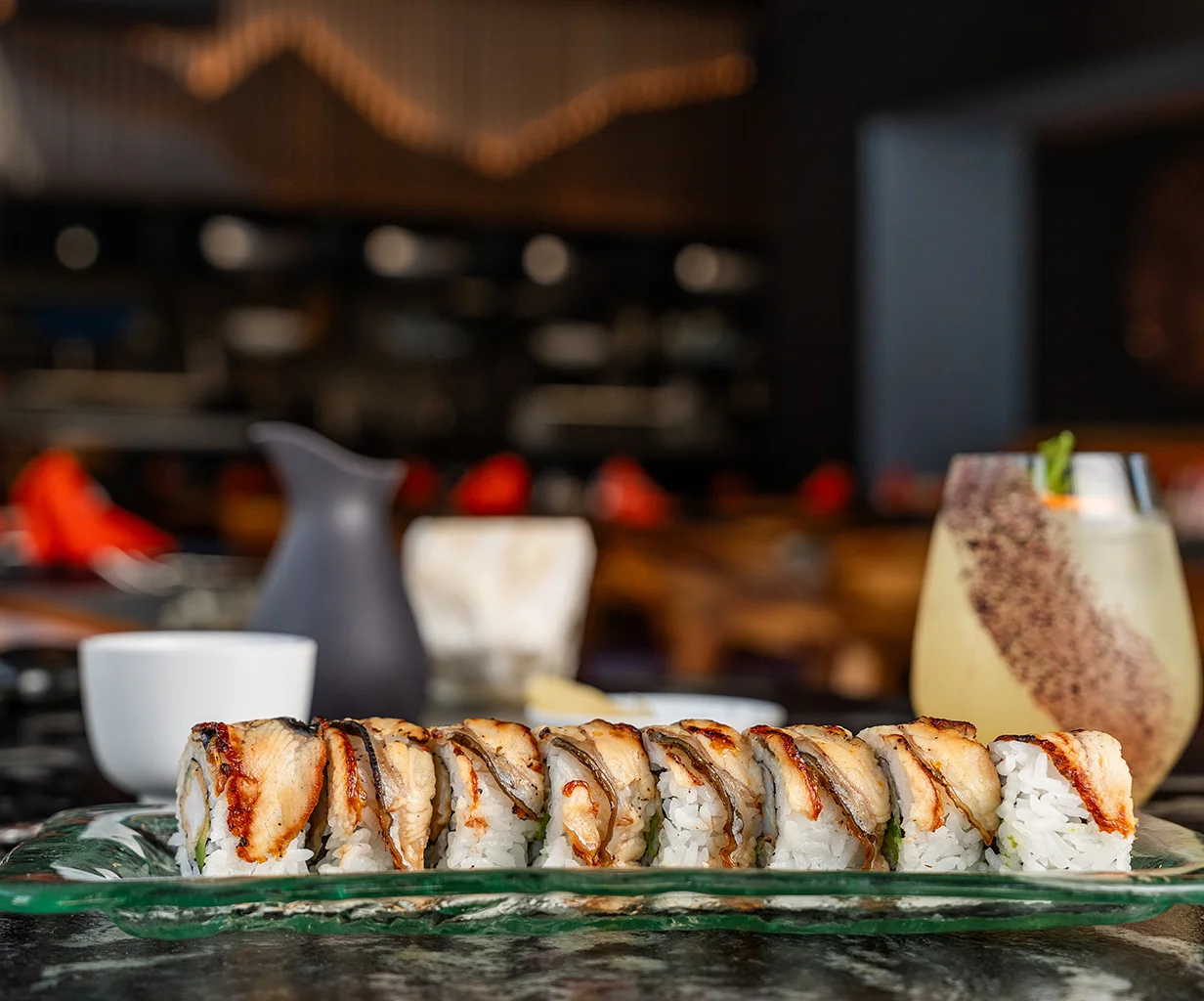
La decoración, inspirada en la belleza natural del Pacífico, junto con platillos llenos de color que evocan el Japón ancestral, dan vida a un espacio donde las culturas japonesa y mexicana no solo se encuentran, sino que entrelazan sus manos en un baile de sabores, memorias y tradición.
Explora nuestra galería y enamórate de la esencia única de ParrotFish Japanese Fusion.
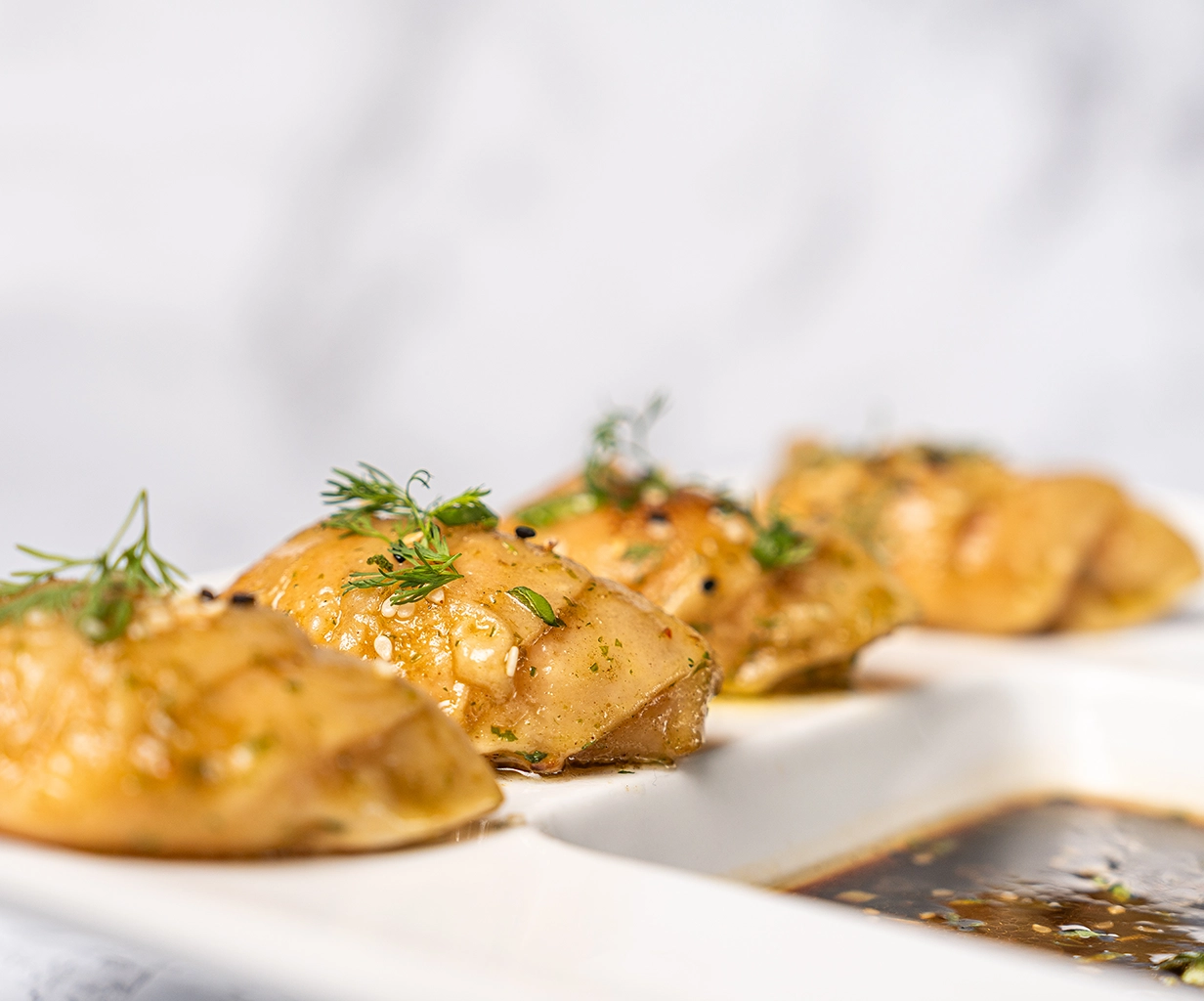
Explora nuestro menú



En ParrotFish, quien guía el filo es el Chef Ejecutivo Benito Hernandez, quien fusiona elegancia y creatividad, evocando el espíritu de tierras lejanas. En la barra, Donat prepara cocteles que se convierten en un ritual de sabor. Juntos, crean una experiencia que rinde homenaje al arte de la cultura japonesa: refinada e inolvidable.
Descubre más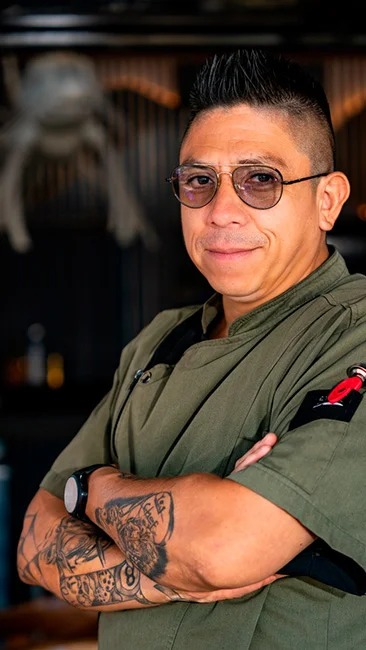

Nueva ubicación dentro de Armony Marival Resort & Spa Punta de Mita

 BLOG
 ENGLISH