 Mini Shell
| Direktori : /scripts/ |
| Current File : //scripts/clean_user_php_sessions |
#!/usr/local/cpanel/3rdparty/bin/perl

# cpanel - scripts/clean_user_php_sessions         Copyright 2022 cPanel, L.L.C.
#                                                           All rights reserved.
# copyright@cpanel.net                                         http://cpanel.net
# This code is subject to the cPanel license. Unauthorized copying is prohibited

package scripts::clean_user_php_sessions;

use cPstrict;

use Cpanel::PackMan                       ();
use Cpanel::ProgLang::Supported::php::Ini ();
use Cpanel::ProgLang                      ();

if ( !caller() ) {
    exit main(@ARGV);
}

sub main (@args) {

    return help() if grep {
        my $arg = $_;
        grep { $_ eq $arg } qw{-h --help}
    } @args;
    my $regex = $args[0] // "sess_.*";

    die "$0 is not intended to be run by non-root users." if $> != 0;

    # Get available PHP packages
    my @php_common_pkgs = Cpanel::PackMan->instance->list( prefix => "ea-php*-php-common" );
    my @available_pkgs  = map { my $p = $_; $p =~ s/-php-common.*$//; $p } @php_common_pkgs;

    # Get installed PHP packages
    my $php                     = get_cpanel_proglang();
    my $installed_packages_aref = $php->get_installed_packages();
    my %installed_pkgs          = map { $_ => 1 } @$installed_packages_aref;

    foreach my $pkg (@available_pkgs) {
        $installed_pkgs{$pkg} ? clean_installed_pkg_sessions( $pkg, $regex ) : clean_uninstalled_pkg_sessions( $pkg, $regex );
    }

    return 0;
}

my $php;

sub get_cpanel_proglang () {
    $php ||= Cpanel::ProgLang->new( type => 'php' );
    return $php;
}

sub clean_installed_pkg_sessions ( $pkg, $regex ) {

    my $php        = get_cpanel_proglang();
    my $ini        = $php->get_ini( 'package' => $pkg );
    my $directives = $ini->get_basic_directives();
    my ( $path, $maxlifetime );
    foreach my $directive ( @{$directives} ) {
        $maxlifetime = $directive->{'value'} if $directive->{'key'} eq 'session.gc_maxlifetime';
        $path        = $directive->{'value'} if $directive->{'key'} eq 'session.save_path';
    }

    return clean_sessions( $path, $regex, $maxlifetime );
}

sub clean_uninstalled_pkg_sessions ( $pkg, $regex ) {

    # We can only really clean up the default path in '/var/cpanel/php/sessions' at this point
    # since there is no way to know what the customer was really using as their session path
    my $path = $Cpanel::ProgLang::Supported::php::Ini::SESSION_SAVE_PATH . '/' . $pkg;

    return clean_sessions( $path, $regex );
}

sub clean_sessions ( $path, $regex, $maxlife = undef ) {

    # session.save_path could be commented out, in which case we will let PHP handle garbage collection.
    return 0 if !defined $path || !-d $path;

    $maxlife = $Cpanel::ProgLang::Supported::php::Ini::SESSION_MAXLIFETIME if !defined $maxlife;

    # get_basic_directives can return values with leading/trailing whitespace.
    s/^\s+|\s+$//g for ( $path, $maxlife );

    $maxlife = $Cpanel::ProgLang::Supported::php::Ini::SESSION_MAXLIFETIME if $maxlife !~ /^\d+$/;

    my $time = time;

    opendir( my $dh, $path ) or die "Could not open directory $path: $!";

    while ( my $file = readdir $dh ) {
        next if $file !~ m/$regex/i;
        my $ctime = ( stat("$path/$file") )[10];
        unlink "$path/$file" if $time - $ctime > $maxlife;
    }

    return 1;
}

sub help {
    print <<USAGE;
$0 [--help]

$0 SESSION_MATCH_REGEX

Clean expired PHP session files.

PHP session files can be stored in a secure temporary directory. This removes PHP's ability
to clean up its own session files. This script should run at least once per day to remove any old PHP session files, and
is automatically added to your crontab via the /scripts/upcp script.

Users can also set custom session handler code via session_set_save_handler(),
which PHP does not know ahead of time how to clean up. Since a way to register a
session cleanup method does not exist, custom scripts are the only way to clean these up.

This script does allow you to remove all files within session.save_path older than session.gc_maxlifetime.
However, you must use a removal regex to prevent mistakes like save_path=/ destroying a system.

We only remove files with session.save_path that contain /sess_.*/ by default.
If one of your users sets a custom save handler that does not follow this format, you will have to provide
a custom regex to this script (SESSION_MATCH_REGEX).  Make certain that your regex is specific enough to not be
destructive in the event of save_path being misconfigured.

Even then it is possible that users set exotic save handlers, such as writing to a database.
However, in that case one hopes they have good sense enough to clean up after themselves.

The crontab running this script is editable, and should not be overridden by upcp when adding SESSION_MATCH_REGEX.

USAGE
    return 1;
}
1;


ParrotFish Japanese Fusion es el lugar donde México le dio un nuevo sabor al sushi, y seguro se convertirá en tu favorito si buscas una cocina audaz y a la vanguardia. Sumérgete en sabores frescos y deliciosos dentro de un espacio moderno, rodeado por los paisajes tropicales de Punta de Mita.
Aquí cada rollo, nigiri y sashimi cuenta una historia y te transporte a la Tierra del Sol Naciente.

ParrotFish fue el primer restaurante de sushi en Punta de Mita y sigue siendo uno de los favoritos tanto de la comunidad local como de viajeros de todo el mundo. Nos encontrarás dentro de Armony Marival Resort & Spa Punta de Mita.
Carretera a Punta de Mita km 8.3, Playa Destiladeras, Bahía de Banderas, Nayarit C.P. 63734, México
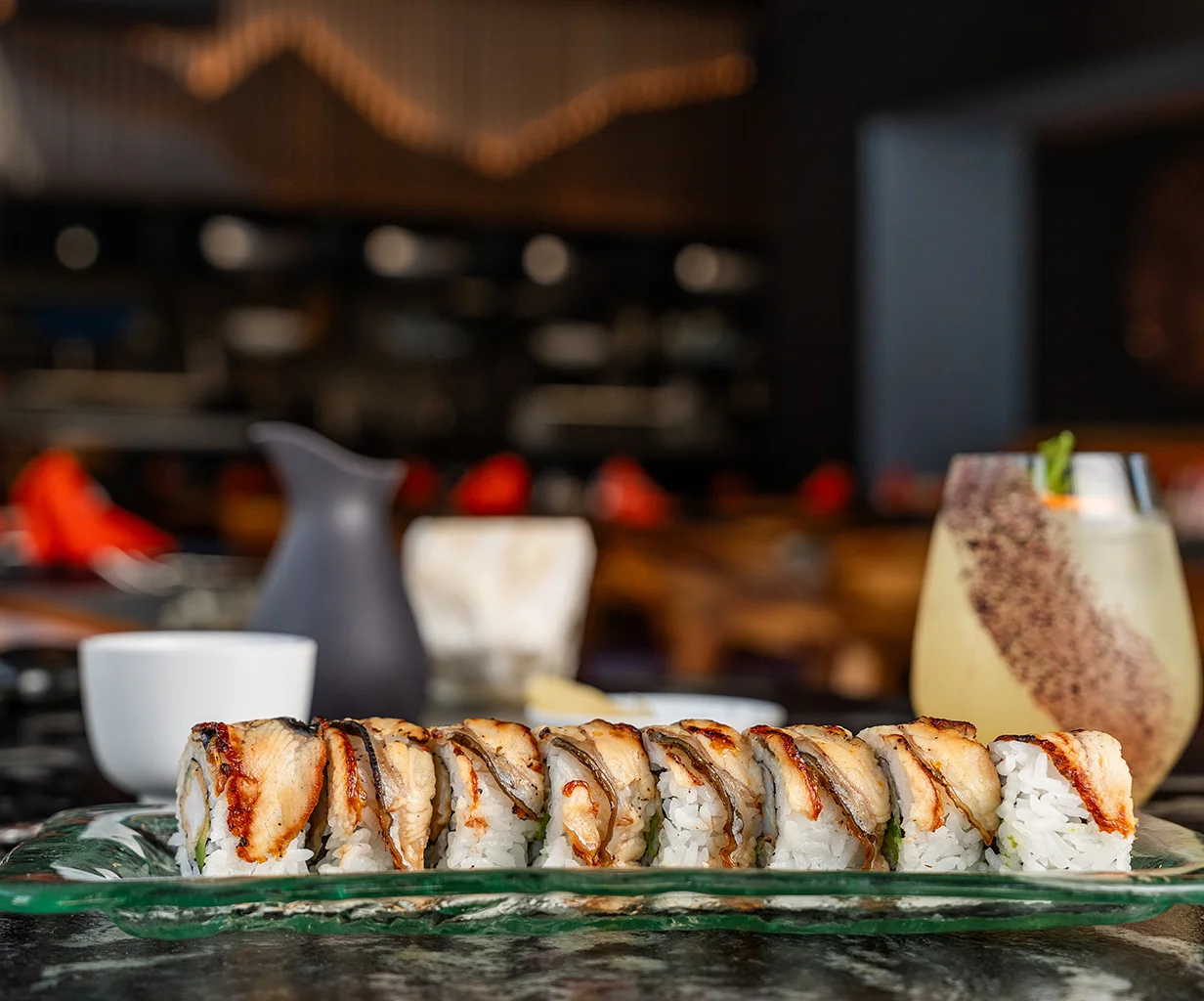
La decoración, inspirada en la belleza natural del Pacífico, junto con platillos llenos de color que evocan el Japón ancestral, dan vida a un espacio donde las culturas japonesa y mexicana no solo se encuentran, sino que entrelazan sus manos en un baile de sabores, memorias y tradición.
Explora nuestra galería y enamórate de la esencia única de ParrotFish Japanese Fusion.
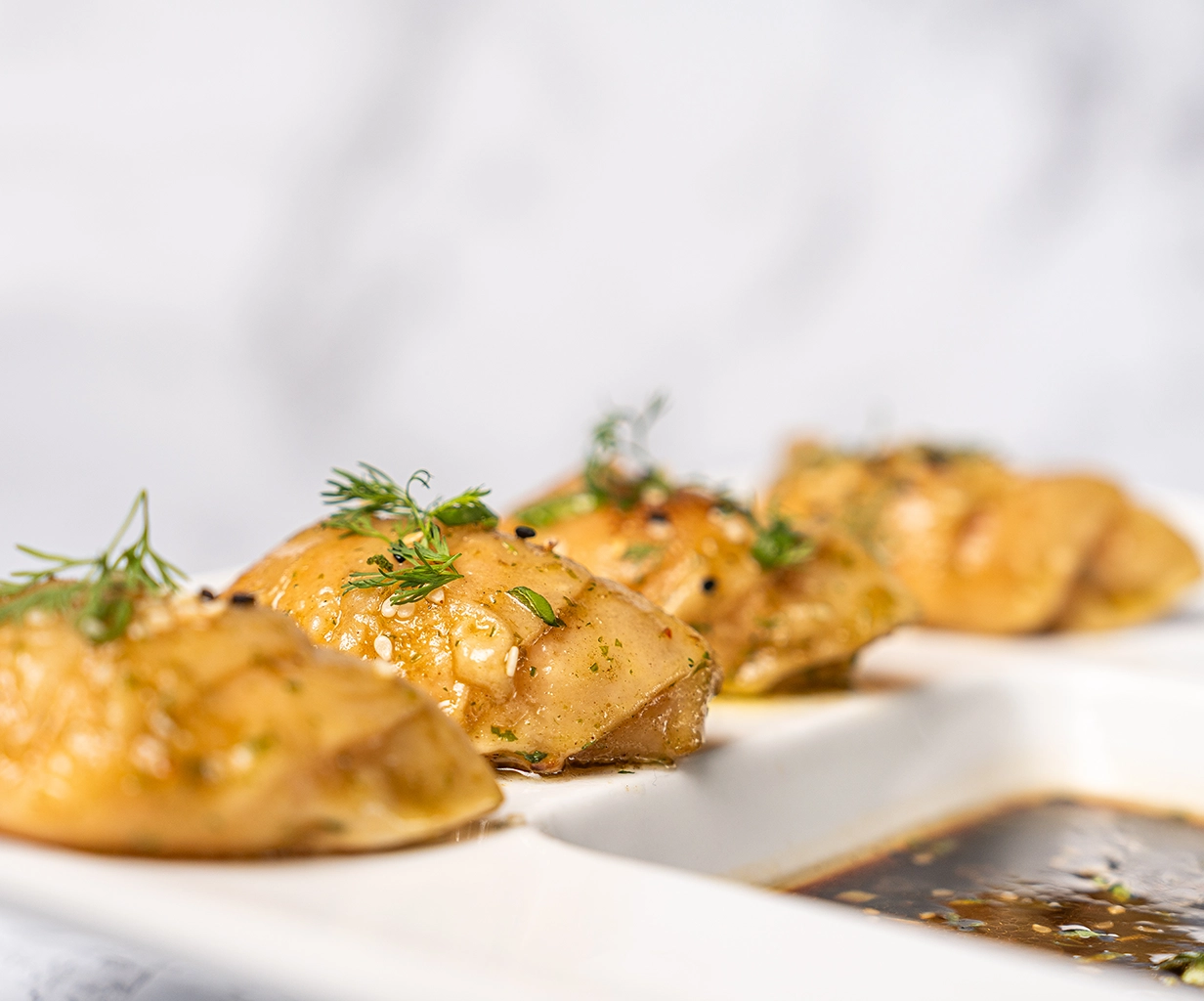
Explora nuestro menú
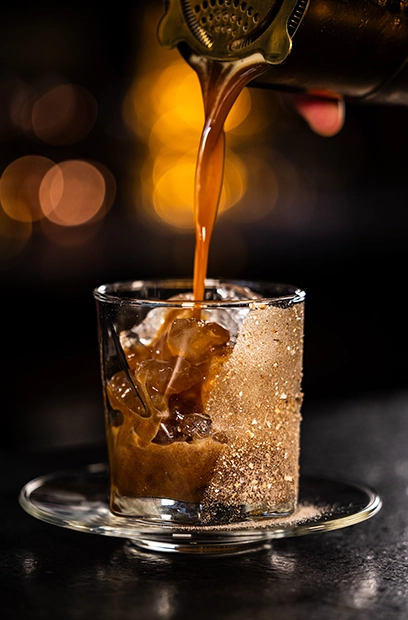


En ParrotFish, quien guía el filo es el Chef Ejecutivo Benito Hernandez, quien fusiona elegancia y creatividad, evocando el espíritu de tierras lejanas. En la barra, Donat prepara cocteles que se convierten en un ritual de sabor. Juntos, crean una experiencia que rinde homenaje al arte de la cultura japonesa: refinada e inolvidable.
Descubre más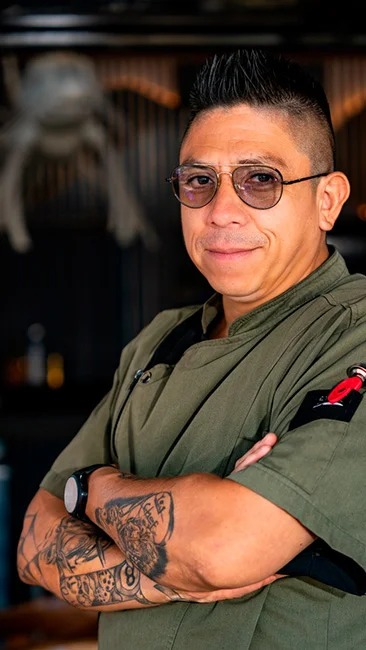

Nueva ubicación dentro de Armony Marival Resort & Spa Punta de Mita

 BLOG
 ENGLISH